Episode Transcript
[00:00:03] Speaker A: What does it look like to engage with younger generations? How do we help them take those next steps? And, and what kind of ways are we going to have to step out in faith and be willing to make some changes in order to do that?
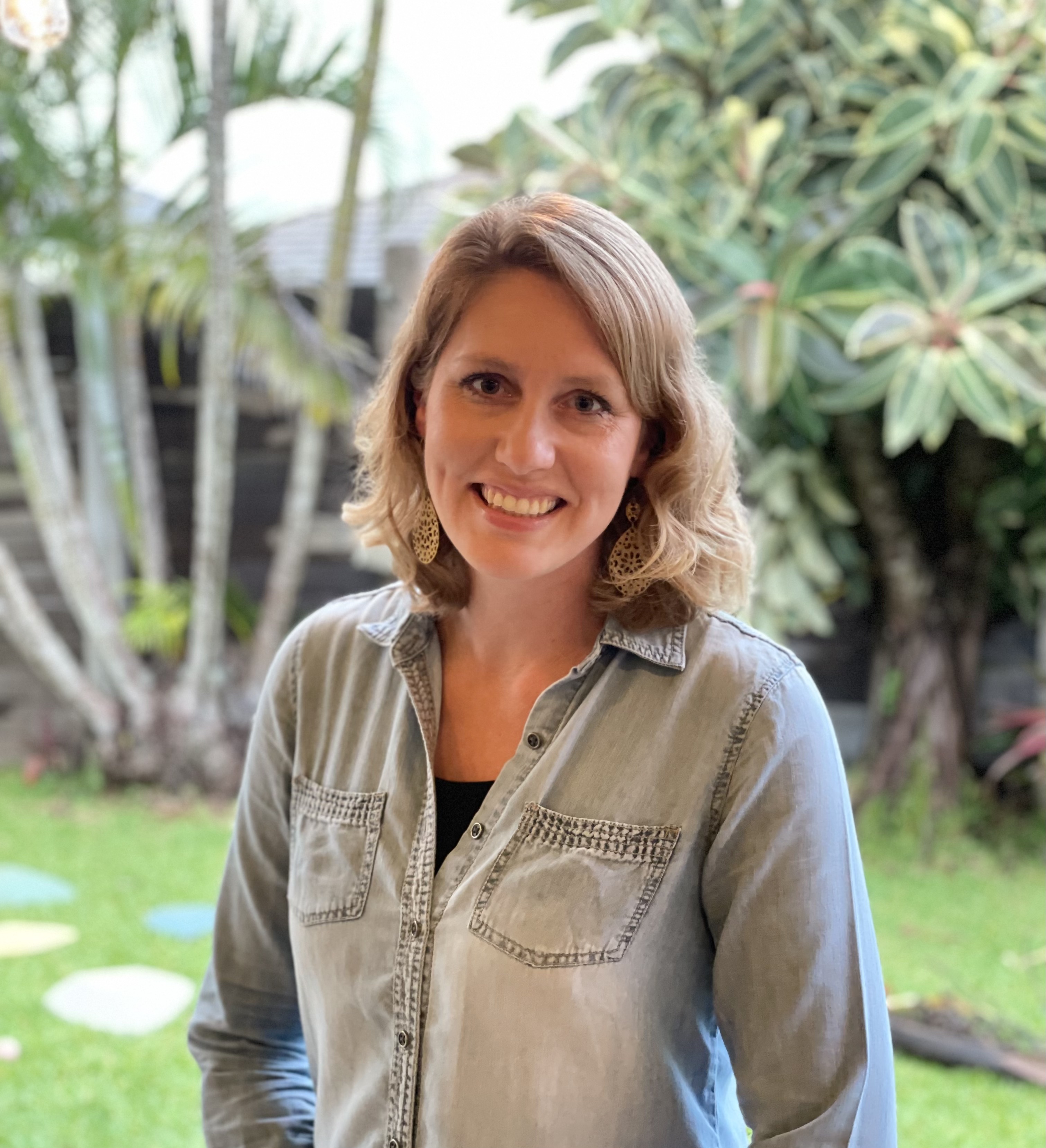
[00:00:22] Speaker B: Well, hello, this is Ron DeVries. We're back recording another episode for Spark Dialogue. It's a podcast that has been birthed out of a ministry we call Generation Spark. And with me today is a young man I met this past year. His name is Joey South. Welcome, Joey.
[00:00:43] Speaker A: Thank you. Excited to be here?
[00:00:44] Speaker B: Yeah, yeah, I'm so glad you're here too.
Joey will be explaining a little bit more about why he's here and the ministry that he's connected to. But before we jump into that, just a little bit of context. Joey is in Michigan, I am not, and I'm in Alberta, Canada. So on the other side of the border.
And both of us are experiencing summer in real powerful ways right now. And so we thought we would begin with the question, an intro question. What is your go to activity in this summer? I mean, if you're living close to water, it could be boating or something.
One of the things that I think God's got a bit of a sense of humor because I love the water, Joey. I just love being on the water. I've grown up sailing. I'm in a desert climate with no big lakes around, which is really, really difficult for me because I love doing those water activities. But what's your go to activity, Joey?
[00:01:45] Speaker A: Well, I think around the same wavelength here because my go to activity is kayak fishing. Being in Michigan, I'm surrounded by water. I.
They say what, you're never more than a few miles away from a body of water here in Michigan. So I love getting on the kayak and fishing, especially on the river when I can.
And yeah, that's definitely my go to summer activity.
[00:02:08] Speaker B: Yeah, I love that. I've never kayak or fished on a kayak before. I've done the canoe, I've done a bigger boat, we've casted lines off a bigger sailboat, but never off a kayak. Is it difficult? Like, I mean, there's a bit of instability on a kayak, if I'm not mistaken.
[00:02:26] Speaker A: Yeah. So it's not really a kayak like most people think in that. It's not like a V shaped hull. It's.
The kayak I have is a wider, like made for fishing kayak. So it actually is pretty stable. I can even stand on it if it's. The current isn't too Fast.
So there is, I mean you have to be careful, especially on the river. It's, you know, if you're not paying attention you could fall in. I've been doing this for about four years now. I haven't fallen in yet. But I always tell people it's, you know, it's bound to happen. But yeah, it's, it is challenging. But I, I like it because I mean it because it's a challenge and you have to really be prepared. And I like just kind of being out there by myself with nature and just having some fun and it's really relaxing to me as well.
[00:03:13] Speaker B: Joey, you and I are like kindred spirits. I, I feel the same way when I'm on the lake. You're just there, you're. You're in creation. You're experien.
Something that is just very transformative for me and sounds like it's for you as well. I experienced something very similar. For me, my go to has been for the last few years anyways, taking my motorbike out and just riding. Sometimes with a destination and sometimes not. Sometimes with a person and sometimes on my own. And it is just a joy. The last few days have been great for riding here and really been enjoying just keeping, keeping safe on the highways while I ride back and forth to my office and it's just. Oh, it's just been really, really cool. So that's kind of my go to summer activity in the last couple of years at the very least. Do you ride?
[00:04:04] Speaker A: No, I don't.
[00:04:06] Speaker B: Okay.
[00:04:07] Speaker A: Sounds like fun though.
[00:04:09] Speaker B: It really is. It really is. My wife and I, she'll sometimes ride in the back and we've got these two way radios and we'll talk together. It's just, it's just really, really cool experience.
Fun.
Yeah, it is. It's really, really fun. We want to do a bit of a shout out, a ministry that's dear to our hearts. And before we jumped on, I asked Joey if he had a ministry or a focus that he would like to share. And Joey, you said you did. So I'm going to give the mic over to you. Share away.
[00:04:42] Speaker A: Yeah, I want to shout out. It's called Elm Tree Ministries and it's a like a daycare ministry in Honduras. And the reason it's meaningful to me is the woman who started the ministry grew up in this church in my church, which is the church I work at. And it was my home church as well. Or is my home church. She was a few years older than me. She went on a mission trip down there to Honduras, and just her life was transformed from that trip.
And I think it just speaks to how, you know, investing in young people and giving them opportunities to do things and to connect with them. God can do things through that, and it can really just change the course of their lives. And I really like. She actually came back here just this last Sunday. She's in town and she shared an update to the church. We continue to support her as a missionary.
And it just was a glimpse into what an intergenerational church can look like. It's something that we're really not right now, and it's something that our church is really aspiring to be. And it's just to have somebody who grew up here and God is. Is really working in their lives and they are answering that call and staying connected to the home church and being supported by the home church, to me is just kind of a glimpse into what we'd like to become. We'd like to have more stories like that. We'd like to stay connected with people who grow up here, people who connect here wherever they. They come along the way.
We're really asking the question, what does it look like to be an intergenerational church?
And her kind of story with that, I think is a glimpse into what we are working towards.
[00:06:31] Speaker B: I love that, Joey. And can you remind us what the name of that ministry again?
[00:06:36] Speaker A: It's called Elm Tree Ministries.
[00:06:39] Speaker B: Wonderful. Thank you for that. I'm inspired by that story because again, as you pointed out, the organicness of the entry point for her, but also then the connection point for the congregation to see this lived out. What a beautiful thing. Thank you for sharing that. It's awesome. Absolutely.
This is the time where I just kind of remind you listeners why we do this.
One is because we get to hear stories like Joey's, which you're going to hear in a moment, and some of the experiences that he's had, but also that we've been learning through our years of doing this work of intergenerational ministry or even just focusing on mentoring, which is a big part of a significant part of what we do with Generation Spark.
And so as a reminder, if you're listening for the first time or many times, our main focus will always try to connect life ministry, the theorizer and the practitioner into an intergenerational conversation. And this is important because I think oftentimes we try to compartmentalize this ministry where it's much bigger than that. It has impact for the entire congregation in so many powerful ways. And we're going to hear a little bit about that from Joey today.
Now, Joey, as I said earlier, I was introduced to him about a year ago when his church began to go through the process of Generation Spark. But I'm not going to go too deep because it's a great story and I want him to tell it. And so first of all, Joey, can you tell our listeners about who you are and why, what you do and then you can just follow up with who your church is?
[00:08:27] Speaker A: Yeah. So I grew up in the church that I'm currently at, Emanuel Community Reform Church in Lansing, Michigan and I went to college to actually for fisheries and wildlife. As you could tell from my love for fishing, I wanted to be in that world. But during that time I, the director of youth here, ended up leaving and the opportunity for me to kind of step into ministry opened up. I had been working as a volunteer here with the youth group for a while. Youth group was always something that was very important to me growing up. It was one of the few places where I felt like I could truly be myself and kind of just be accepted and celebrated and not have to worry about, you know, backlash or any of the pressures or bullying or anything that, that I would sometimes experience in school.
So the opportunity arose for me to take over here as the director of youth. And that's currently my role. I've been in a full time capacity here as the director of youth and digital ministries for seven years and now I'm kind of taking the next step as I am will be starting classes to become a commissioned pastor of intergenerational discipleship here at Emmanuel. So that's kind of my story. Professionally, I am married. I've been married for nine years and I have two daughters, a four year old and a two year old. So that's a fun thing to juggle on top of working here in ministry. So that's, that's who I am. And yeah, we are a small church here that is aging much like, you know, many churches I'm sure across North America.
We're not far from downtown Lansing, which is kind of like a mid sized city. We're not downtown, but we're not too far from there. So we kind of are at like a crossroads. There's a good amount of people and a lot of different backgrounds I would say in this area.
Our church, I would say has a welcoming heart. I think we have some things to learn about how to do that and especially connecting with younger people and that's been kind of a focus of my work. As of lately.
[00:10:41] Speaker B: That's fascinating. Immediately when you touched on the fishing and wildlife training, I was immediately brought back to the disciples. Right. I mean, this is just great pictures, moving from fishermen to fishers of men and women, of course, but, wow, what a transformation. And again, it speaks into a congregation walk, walking in faith with a younger person as they explore their own faith stories.
And it's a journey. Right. I mean, it wasn't something that just sparked to you, but it was this trickle, this little drips of water each time kind of filling your cup until you've started to realize, oh, God is calling me to something more. That's really powerful.
Did your wife ever realize she saw this happening in your life as you started being encouraged to take this next step?
[00:11:38] Speaker A: Yeah, so actually we met here at the church. She was in youth group with me, which is a great way to.
To meet your spouse because, you know, you already have a similar background and belief system. So, yeah, I would say even in kind of high school, in youth group, I was kind of a natural leader of the group, kind of as a student.
And I think, yeah, I do think she could see in me that I kind of just thrived in that kind of setting. And I liked to both, you know, kind of lead the fun stuff, but also to go deeper when the questions were asked. I really engaged with the questions and. And wanted to really dive into, you know, learning more about Jesus and. And what does that look like? And how do. How do we apply it to our lives? So, yeah, I would say she could tell from early on that maybe, you know, my trajectory was. Was going to be to end up in some sort of position like this.
[00:12:38] Speaker B: I love that. And now moving towards ordination, which I'm excited for you. I. Nobody could see that I had a smile on my face when I heard that, because I think that's just really, really exciting. And what it does is gives you just a little bit more credibility within the congregation. Right. And so I think that will be just a blessing for yourself, your family, but also the. The. The community in which you are called to serve.
[00:13:04] Speaker A: Yeah, it's. I just. I wanted to take another step and kind of gain some more tools as I'm feeling God is. Is calling more of this church. And I think, you know, intergenerational discipleship specifically is something that is near and dear to my heart and. And what I believe to be the path forward for Emmanuel. And certainly Generation Spark has been an affirming kind of part of that to help me realize that this is something that is Meaningful to me and something that I believe that God is calling me to, as well as calling the church to kind of learn. What does it look like to engage with younger generations? How do we help them take those next steps? And. And what kind of ways are we going to have to step out in faith and be willing to make some changes in order to do that?
[00:13:55] Speaker B: Yeah, that's fascinating. I love that you already started to answer a natural question that I was going to have, because you've been link. Throwing an intergenerational ministry into the conversation quite naturally. And I love that. What prompted you to then take that step to join the cohort? Because sometimes congregations can.
Can think about this or have been pondering it for a while, but then to jump in because it's a commitment. Right. It's about a year.
It's really intentional learning. But what prompted you at this moment to make that step?
[00:14:31] Speaker A: Yeah, so I think maybe about three years ago, we came to the realization that kind of the old model of youth group just no longer is really what working here in our context. For years, I would try, you know, the big things like events and stuff to attract people and, you know, play games, do the fun stuff, and really encourage my students to invite friends of friends. And we found that those things worked very briefly, but long term, they didn't have staying power. Students would bring friends, but those friends would never really even come to a Sunday morning service.
We would never meet their parents sometimes. And, you know, high school friendships don't always last. So if they no longer were friends with our students here, then we just lost connection with those students altogether. So we're realizing that there's something kind of broken about this old model. It is no longer effective. And then, of course, Covid accelerated that timeline. Students were graduating every year, and we're not having students come behind them. So. So we kind of came to that realization that we need to become a church that is more engaging with young people. And somewhere we may have lost how exactly to go about that. Even the students that are connected to this church weren't necessarily coming to our worship services regularly. So we realized that our kind of youth group and the rest of the congregation were kind of existing separately.
So we were recognizing that kind of feeling, us feeling God calling us to build a more intergenerational model here at Emanuel. And then I became aware of Generation Spark, and it sounded like exactly, you know, a remedy to that, a step in that direction. I became aware of Generation Spark kind of right at the perfect time when we were asking Those big questions about what does it look like to become an intergenerational church? To be a church that. That truly is focused on not just sending money, you know, for students to go on trips, but to actually engage and have deep conversations and share experiences and just seek God collectively together, worship God together, and to just have a more integrated worshiping body. Yeah. So Generation Spark, I think, was that next step that we needed to continue to ask those questions and think about how do we apply that in our context?
[00:16:59] Speaker B: A couple things jump out to me as I listen to you. One, you define youth ministry or your old ministry model as a model that seemed outdated or didn't work anymore.
If you were to define that model for the people that are listening, would you kind of categorize that as kind of an attractional model Ministry?
[00:17:21] Speaker A: Yeah, I would say attractional and multi generational, as opposed to intergenerational in that we were a church that for a long time we had the different age groups, but we kind of just tried to reach them individually. And, you know, I think there is value to age based learning, but there also needs to be an element of connectedness, you know, And I think some of it is just kind of how culture is now. It's kind of easy to just kind of find your own people and not engage with different ideas or even, you know, different age groups.
So I think maybe we have kind of lost some skills and just connecting as a community. So without an intentional effort to make those connections and to be pushing for those connections, I think just those naturally maybe just kind of fell away as people kind of lost the ability to, I guess, connect intergenerationally, if that makes sense.
[00:18:22] Speaker B: Yeah, it really does. It really does. The second thing that leaped off out of your comments was the congregation was noticing that something needed to change.
When you identified that and they identified that, what was leadership's response to that? When I talk about leadership, folks that are listening, you know, in some churches, we call them a council or a consistory or leadership board. And there's a variety of other terms that we can associate with leadership. But one of the things that I've noticed in my many years of doing and leading this kind of work with churches is that leadership had to be behind this.
And if it wasn't, it was going to be a difficult task to implement a significant shift in ministry philosophy. Not that you abandoned some of the other pieces. It was more of enhancing. And so I'm curious, how did your leadership respond and was there some pushback from them as you presented this New idea?
[00:19:29] Speaker A: No, I'd say leadership responded positively. I think part of that is we have got to the point where it's like, we don't have very many students at all.
So it was kind of staring us in the face like, hey, like, this isn't just a concern. This is a major problem that needs to be a high priority. And fortunately for my situation here at Emanuel, we did have alignment, from me to the lead pastor to the consistory, and that we kind of all recognized that God is calling us to be an intergenerational church and that we feel God has more in store for this church to, you know, not just die out as we. We age, but to kind of find new life and new purpose and to maybe make some radical changes to. To achieve that. So, yeah, I'd say alignment within a church is. Is vitally important for this. I mean, ministry is hard. Any kind of youth ministry is hard. And as you know, with the culture, it's. It's difficult. And I think you really need to have that alignment from the consistory to the lead pastor and the whole staff. I think it needs to be an effort all pushing in the same direction, or you're not really going to be able to make much headwind if people aren't aligned on something like that.
[00:20:50] Speaker B: Totally. Yeah. I'm so glad that that was a conversation that was involving the various sectors of the leadership, but also the congregation, because as you said, if they're not all pulling in the same direction, it makes it really, really difficult. Right. It's not to say that it can't work. This makes it just a little bit easier to do it. Right. And so that's so great. But it would have had to change a little bit of your philosophy in ministry as well, because you kind of came in thinking. Well, not thinking, but leading from this context and maybe having been mentored and trained in a certain context to a new stage of thinking.
Was that difficult for you?
[00:21:38] Speaker A: I don't think so. I. I don't know. I am someone who is kind of just naturally wanting to push for change. Even as a student, I was kind of a person that could recognize that we needed to make some changes. So I don't know that it was difficult for me because especially since we saw the need, it was so evident that we're going to have to change.
And I don't know. I guess, in short, no, I. It wasn't difficult for me.
[00:22:08] Speaker B: Okay, now we're going to get into some of the takeaways, because this, to me, is just A joy to hear. This will be my second time hearing some of your stories, but I'd love to hear, and I'd love for the list the listeners to hear. What were some of your takeaways from the learnings as you went through what one the trainings, but also then you began to pilot your own entry point using the Generation Spark model. So let's start with the takeaways. What were some of the takeaways for using one through the training?
[00:22:39] Speaker A: Yeah. So one thing that I use kind of regularly as I work on the congregation, as we try to think how we're going to become an intergenerational church, is the need to have five relationships with someone of a different generation in order for someone to feel like they belong. In other words, if someone. If a student is coming to youth group and they have a great relationship with me, they have a great relationship with the other youth leaders. That's not enough for a student to feel like they belong to the church.
Yeah. Like I said, the studies show that a student, a young person, needs five relationships with somebody of a different generation. So I try to keep that in mind.
I think kind of our old model was that they did have great relationships with the youth leaders. They had a great relationship with me. But we'd see that once they graduate, they really didn't want much to do with the church. So we kind of try to use that to remind people that mentorship is great, and it's certainly a big part of the puzzle, but there needs to be more than that. There needs to be a whole congregational push to make sure that we are making those connections and not just, hi, how are you? But, you know, going deeper and having real connections and finding those things we have in common and things we can wrestle with together and really kind of build those bonds that last for the long haul.
[00:24:03] Speaker B: That was a big takeaway for me, too, as a youth leader. I've. I've always leaned into that. And you pointed to the research. For those of you who are listening, some of the research has come from places like Hertz 2.0. Chapco Clark talks about that having five people, spiritually strong, mature adults speaking in the life of one young person, and then Sticky Faith, which came out of
[00:24:26] Speaker A: Fuller,
[00:24:28] Speaker B: I think, about a decade and a half ago, really pushing on that. And it's been proven as a necessary part of intergenerational ministry that the more times the various segments of the congregation speak into the life of a young person, the transformation happens through the Holy Spirit. And it's really, really powerful to watch, and I'm immediately drawn to. And of course, you and I have Reformed roots.
So for those people that are listening that may not have Reformed roots, I'll use this kind of terminology. But part of the discipleship promises we make as a young person grows up in the church is a congregation saying we will walk faithfully with that person and pray for that person. This is about living that out.
[00:25:11] Speaker A: Right?
[00:25:11] Speaker B: This is about living that out in very practical ways. Yeah. So I love. I love that takeaway. Were there any others?
[00:25:19] Speaker A: Oh, there's. There's lots more.
Another thing that really sticks with me that I use regularly is identity, belonging, and purpose. Kind of those three things that questions that everybody is asking, but especially young people, and how that ties in with kind of different transitions that we go through in life. Whether it's graduating from high school, which I think is absolutely a critical period of time to, like, getting married, starting a new job, a death, you know, close to you, retirement. These are all transition periods that we go through. And I think there's so much that we can kind of come together on kind of at different life stages. I think we have a lot of the same feelings and experiences as we go through these transitions.
And I think those are great kind of spots to kind of home in on and bring people together around and kind of find that common ground. I think oftentimes we look at younger generations and older generations just feel like they don't know how to connect. They don't understand them. But I think the reality is we experience a lot of the same things all the time, and we just need an opportunity to dive into those. And I think those transition times and kind of sharing and relating to how.
And all the things we go through, through those transitions are great points to kind of coalesce around and find that common ground.
[00:26:46] Speaker B: Yeah. I'm so grateful that you brought that up because it's something I've been thinking about a lot as well, those transitional points.
Steve Argue in his book, who highlights a lot of these, and I did an interview with him a couple episodes ago. I don't know if you know that, but he broke it out a little bit further.
And one of the things that I found really, really interesting is when congregations like your congregation now, Emmanuel, starts to understand the nuances of these transitions for these young people, what they're going through.
When these younger people understand that there's people who understand a little bit, or at least grasp a little bit of the context of what they're going, there's A bigger sense of hope for the young people because they realize somebody's walking with them. Not judging them, but walking with them through those spaces. And the word that keeps jumping out to me, Joey, is this idea of hopefulness.
And I sense a little bit of that coming from your conversation, that this understanding creates a little sense of hopefulness. Us in the congregation.
[00:28:01] Speaker A: I hope so.
[00:28:02] Speaker B: Yeah.
[00:28:03] Speaker A: Another kind of thing that I've been working on as I work to kind of help the mentors out and think about how do I best set up mentors to have a successful relationship and kind of hit the ground running, is I have what I am calling the mentoring field guide, which is just kind of little nuggets from the learnings that I kind of put together that I want the mentors to kind of just keep in mind and keep, you know, the forefront of mind as they build a relationship with their mentee. And one of the ones, the first one, is never make a statement when you can ask a question. I think that is so powerful to kind of reframe everything. And I. You just learn so much more about somebody from that and go deeper with them when you are not telling them things, but you're asking them what they think. It seems these days, young people, they don't have a lot of older people in their lives that really care and want to hear what they have to say. And then to follow that up using phrases like I'm curious or tell me more about that to go deeper. I have used that in numerous situations. And you really just learn so much more about somebody. And sometimes they're even surprised that you want to really hear more about what they think about something. And I've been surprised at what I uncover and, you know, learn about somebody when I invite them to really answer a question and not just give me a surface answer and then kind of along with that, as well as to leverage powerful default questions. What is God inviting us into? What is God inviting you to? What is God inviting us together into?
I think those questions can kind of be a guide as we. We seek to listen to God and find what he's calling us to.
And I would also say it's okay to not have answers. I think oftentimes mentors feel like they have to be an expert. They have to be able to answer all these tough questions that their mentee is going to ask. But that's not the case really at all. In fact, like we said before, you don't even really want to make statements. You want to ask questions. It's okay that we don't have the answers. There are many things we will never figure out on this side of heaven, but we can explore them together. I like to reframe tough questions by just saying, you know, I don't have a great answer for that, but let's explore that together. I do think it's important to not leave a big question hanging. I, you know, it's okay to not have the answer, but it's not okay to just give up on the question and not engage with it again. I think it's important to follow up with that and to point them to resources and it's okay to disagree. It's okay if we don't land in the same place when we are having conversations. I, you know, we're not trying to make carbon copies of ourselves. We're trying to lead them to Jesus. I think that's another kind of area where we do a disservice to ourselves. I think when, when I'm asking people to be mentors, they hear the word mentor and they think that they have to be a Yoda or Mr. Miyagi and they have to help someone become like them. But that's not our goal at all. Our goal is to help someone become like Jesus. And that can be. Look different from person to person as well. Have our own unique identities in Jesus. So that's another thing. I try to remind people that I am kind of training up to be mentors, that you don't have to be perfect. In fact, when you're not, that's an area to bond with, because none of us are perfect. And we're not trying to help them be more like us. We're helping them be more like Jesus. And we're just walking with them through that. We're not dragging them. We're not pulling, you know, going ahead and pulling them. We are going with them and sometimes behind them and letting them lead the way.
[00:32:09] Speaker B: I'm so, so delighted that you, you brought in Star wars and Karate Kid into the conversation. Thank you for doing that. And I would go maybe one more. The mcu, Tony Stark and Peter Parker. Right. I mean, again, it's interesting in all these relationships, when I think about our generation, Spark mindset and intergenerational ministry and intergenerational mentoring. It's a mutual learning, right? And you highlighted that. And I think that's the key, right? When you say, I don't know, but let's figure this out. It's moving from ministry to, to ministry with. And that is hugely impactful in the Life of a young person, but also the older person. Right. Because it's this journey that they're going on together and there's so many benefits to that. And it drops down some of the barriers or the walls between them because now they're on kind of an equal playing field. Right. It takes the power down from the older person, the mentor, and raises up the younger person so that the voices are valued together and that there's not a hierarchical space here. And I think that's really important. And you've identified that, and I'm just delighted about that.
[00:33:29] Speaker A: Yeah. And the last one I kind of just wanted to touch on is the need to be resilient, to kind of train up people as they enter into a mentoring relationship that sometimes it. You don't hit the ground running, sometimes you don't have an instant connection.
Sometimes, you know, your mentee might not text you back for a while, sometimes months, but you have to kind of have this long view.
And understanding that discipleship is a really messy thing. And it's not a linear progression, it's sometimes two steps forward, five steps backwards.
But you need to have a long view, know that, you know, things are working in God's time and just to go into it with an expectation that there's going to be challenges and, you know, a mindset of resilience, knowing that you're going to commit to it whether things go smoothly or not, you know, And I think those are the really powerful opportunities that you demonstrate that trust to your mentee. A lot of young people don't have adults in their lives that will stick with them when they stop, you know, connecting with them or when they go through something difficult or if they make a mistake. So those are really opportunities. They're not reasons to throw up our hands and be frustrated. They're opportunities to try to draw closer to them and help them draw closer to God.
So I think that mindset that you're going to have to be resilient and that it's going to be a long journey, maybe a lifelong relationship journey. You know, you have to have that mindset when you go into it to fully get the most out of it and to build that trust and to discover what God is calling both of you to.
[00:35:14] Speaker B: I love that. Did you get any pushback from anybody when you say it's a long journey, it's a long term commitment.
Did you ever receive anybody say, I can't commit to that or that's a long time?
[00:35:29] Speaker A: Yes. So I have had potential mentors turn me down for various reasons, certainly being concerned about not having the time to fully commit to something. And, you know, I do want to respect that. We don't want to partially commit to something like this. This is something you do want to put your whole heart into. And if you genuinely don't have the time or the capacity to begin something like that and do it right, I think that is a wise decision to not do that.
But yeah, I, I would also challenge people as well, though, to just, you know, prayerfully consider, is God calling you to this, to take a next step, to take on? Maybe a little more.
But yeah, I think it's really a case by case basis. And you have to let these kind of pairings be spirit led and not forced. That's something where we kind of landed. As we were developing how Generation Spark looks in our context, we wanted to be really intentional about pairing mentors and mentees. We didn't want to just throw people together and hope for the best because we recognize that that can be damaging if the, you know, the wrong pairings are put together and they don't hit it off and they just kind of don't, you know, see things the same way.
We don't want either one to give up on discipleship or any sort of mentoring like this. So, so our kind of strategy that we landed on and this is absolutely still being developed and experimented and tweaked and we're, we're in the thick of it. We're not this success story yet, but we are, are learning along the way. But we, we do believe that being selective was going to be an important part of the process.
So we didn't really roll out Generation Spark, as in, like, all right, we're going to have this many people and this meant, you know, paired together and good luck. We said we recognize some people have some connections and we want to encourage them to step out in this. And we don't want to hold those pairings back. So we encouraged the ones that we felt like, yes, these people, they fit together. They're going to have a successful time with this. We sent them out and then decided, kind of as we go, we are going to work to set up opportunities and really try to be intentional about recognizing, okay, are these people connecting? Is God kind of bringing these people together? Is there something similar and their stories that align, do they, you know, think the same way? They like similar things? Is there something that leads us to believe that this could be a possible pairing and then really try to be prayerful about that, have those Conversations and even enter those relationships or encourage those relationships to form before really even fully committing to see, is God, you know, is this something we would like to happen or is this something God is calling these two people to. To begin together? So that was kind of how we decided to roll it out and are continuing to do that is to try to recognize where God is already kind of maybe moving two people together and how can we facilitate that further and then train and prepare a mentor to enter a relationship, a mentoring relationship, you know, in a way that will be successful.
[00:38:54] Speaker B: Twice now you've made mention of the importance of prayer in this process, and I just so appreciate that. And I guess that's my encouragement for the listeners. If you're thinking about, you know, setting something up like this for yourself, it has to be bathed in prayer. And as the spirit moves, as God calls those, those. Those prayers become a little more clearly answered. Right. And. And again, I think part of your journey too, was recognizing that that was a necessary part of. Of the.
The setting up both the ministry, but also the pairings so that it could become something that God continue to work through.
Yeah. So thank you for that. It's something that can easily get overlooked. Let me just say that.
[00:39:47] Speaker A: Right.
[00:39:48] Speaker B: We can focus so heavily on the right pieces in the program and all this other kind of stuff, but it absolutely has to be bathed in prayer.
So as you were going through this, you're the only one on the call with me right now, and that's great. But you are surrounded by a team that help you get some launch going.
So this is not a question I had pre scripted for you, but I'd love to hear a little bit. How did that go? Was it difficult to assemble your team? And now that you're kind of in the launch space, is everyone kind of finding their place in terms of the.
The intentionality of launching this with a manual setting?
[00:40:30] Speaker A: Yeah. Fortunately for me, it was pretty easy to identify people to form the team initially, just because, as I was saying, there was a recognition that this was a need and something that people were wanting to realize that we need to engage with younger people and want to kind of learn how to do that.
So the way we kind of have continued that team is I kind of rolled that Generation Spark team into being what I call the bridging generations team. Yeah. So the idea of that team is that we are just kind of a team that's focused on that, you know, how do we become intergenerational. And on that team are all the current mentors.
So Part of that team is we support the mentors and we provide resources and we kind of share how things are going, pray for each other, and kind of build in that support as a team to support the mentors. And it's. The intention is also for it to be kind of like a. A training ground or incubation period for people who want to be future mentors so that they can be trained up on what, you know, some of the languages that we're doing. I have them read the book Growing Young. As we focus on intergenerational discipleship and we design experiments on how can we take some steps towards being intergenerational. What are some things we can try with the mindset that it might not work, but we're okay with that. And we. We're really trying to become an experimental church in that we are going to try things and be okay with things failing and not throw up our hands in frustration, but to learn from things and improve so that the Generation Spark team turned into kind of the core of the building our Bridging Generations team. And the idea behind that team, and this is still kind of a work in progress, but is to continue to add to that team and to grow that team as we identify more people in the congregation whose heart is, you know, wanting to help us with our mission of becoming an intergenerational church.
And I also encourage the team to continue just to have conversations with the other congregation members about the need to be an intergenerational church, that we feel like God is calling us to do this and helping them to kind of realize, here are the things that we need to do in order to get there. And it has to be a whole church thing. You know, this can't just be a team that just we, you know, we do our own thing. It has to be something the whole church gets behind and wants to commit to doing.
So, yeah, that's the Bridging Generations team, and it is evolving. It's a work in progress. But that's how, you know, had the Generation Spark team and wanted to continue that, because in our context, I really recognize there's a need for continued learning and building on what Generation Spark started.
And, yeah, that's been a big part of my work. Something that maybe I didn't expect as much. I thought that Generation Spark was going to be okay focusing on young people, but a lot of the work is working with the mentors and preparing them and helping them see in themselves that they can be a mentor. It's certainly not uncommon for me to tap someone, have a conversation about, do you want, you know, I think you'd be a good mentor. And they oftentimes feel like they don't have the skills or the gifts or the knowledge to be a mentor. I think they get us, you know, like we talked about before, they. They get afraid when they hear the word mentor and think that they're not equipped for that. But I try to have those conversations and help them to see that, you know, everybody has something to give. You don't have to be way up the mountain to lead someone a few, you know, feet off the ground. So, yeah, that, that team is kind of focused on, on that and helping people to realize that we are called to mentor every generation and we're more capable than we think we are.
[00:44:44] Speaker B: So good. I love the creativity behind that.
I love that. The other thing that I'm, I'm thinking about, as you describe your work, it shifted a little bit, you know, in terms of connecting with young people. But now you've actually been taking youth ministry into the congregation. Right. And so because of your role, you now have more of a presence and a face and a conversation entry point with other members of the congregation. And you're an encourager. So that is just so wonderful.
[00:45:15] Speaker A: Yeah, I would say it wasn't a little shift. I think it was a big shift in. My job is to view youth ministry as a whole church thing. You know, it's not just a thing that I do on the side here. It's like it's the whole congregation thing. And I need to be spending hours working with the whole congregation and messaging. What does that look like? How do we take that step? What are the things we're doing that are off putting, that we don't realize, you know, to younger generations? And how do we increase our capacity for change with the vision of being a church that young people want to engage with?
[00:45:49] Speaker B: Love that. Love that. I'm going to throw one last question to you, and this is slightly scripted.
What are some of the things that you've learned? What are some of the things that your congregation has learned that you would like to share with those who are listening or those from other congregations that you think, oh, this, this was a big thing for us. And I just, I just want to name that.
[00:46:13] Speaker A: Yeah, I would say have a long term view. As we said before, there's a need for resilience, not just in mentoring relationships, but as a congregation. There has to be an appetite for failure and to not give up when things are rough. It has to Be spirit led and in God's time. Transformation isn't something that we do. It's something that we, you know, are part. We partner with God, but God is the one who transforms hearts. So we have to have this long term view and this resilience. I'd also say that it's really important to discern what works in your specific context. One thing I really appreciated about Generation Spark is how it wasn't like, here's what worked, you know, in, in Idaho, and you should do this at your church.
Every church, even churches that are our neighbors, can have very different contexts and different things they need to work on. And I really appreciated how Generation Spark was intentional about, okay, these are the, this is the goal, all the church's goals is to have these mentoring relationships to really engage younger generations. But how you do that can look very different depending on the context that you're in, the makeup of your church, the problems your area is facing, the questions the youth are asking. I mean, there's a million things. And I think it's important to accurately assess where you are at as a church. I think churches can have a hard time being self aware and kind of seeing some blind spots. So I think it's good to do that work, to have listening sessions, to ask outside people, to ask people who maybe are no longer part of the church, to ask students who are, you know, grew up maybe in the church but are no longer connected. All of this is really useful data to kind of paint the front full picture and then design what you think mentoring looks like in your context. Again with the mindset that you got to be resilient and that it, it's, you're probably not going to get it right on the first try. Some things are going to work, some aren't, but you gotta just keep moving along and trust in God and trust the process.
[00:48:27] Speaker B: Thank you for that. I'm going to give you an opportunity to have the last word at the end, but before we get there, or at least offer a final word before we get there, were there any scriptural intersections that kind of jumped out to you as you went through the process? I know in the training we give some generic, well, not generic, but maybe specific texts that have spoken to us when we think about mentoring as a whole. But now that you've gone through the training process and maybe God has spoken to you in some ways that you think this is a text that has really kind of enlivened my soul around this, what might they be?
[00:49:08] Speaker A: I would say when I feel Like, I don't know kind of what the next step is. I try to, you know, love God with all my heart, soul and mind and to love others. As we kind of think through, like, identity, belonging, and purpose, I think people are asking, what is our purpose? I think you kind of start there.
That's, that's kind of some, I guess a verse that is a passage that is kind of a North Star kind of thing.
I try to keep at the forefront of, of my life in the ministry is to just how do we keep God first and love others well and then kind of build everything else around that idea.
[00:49:56] Speaker B: I love that. That's so good. Thank you for sharing that. I appreciate that.
You made mention of a couple resources already growing young. You've taken your group through that and I think that's a great group, great book for your group to go through.
Fuller also came out with a book called the Three Big Questions, which is actually a resource that you can take your teens through. And so for churches that are listening, that kind of feels like a follow up to some of that work that Fuller did and published in about 2017.
And of course, some of the other resources that we touched on young adult ministry, specifically around the seven transitions.
I know that there's been a book published and there's some other resources around that.
Did you have any others that kind of came to your mind, Ones that we've already identified or perhaps ones that you, as you were going through this process that you said, oh, this was invaluable to us.
[00:50:57] Speaker A: I can't, not off the top of my head, beyond the ones that you already mentioned.
[00:51:00] Speaker B: Okay. Yeah, they cover a lot of bases. Right? They're so, so helpful in this journey. Joy, I just want to say thank you. This has been so, so helpful.
I appreciated your story, how you got here, how God has walked through your own life and your family's life. And now you're still on this journey to ordination and then walking with this congregation that was feeling like, where are the young people to now? Saying, we are walking together in faith to walk with these young people. And that is so good. Any final thoughts before we wrap up?
[00:51:37] Speaker A: No. I mean, I guess I would just remind in churches and leaders to make sure they're being resilient and be encouraged. And knowing that youth ministry, any sort of intergenerational connection is messy. It's hard, but it's worth it. And discipleship is the way forward. It's always been the answer. And just have the long term view.
[00:52:03] Speaker B: Resiliency, love that word long term view such a good word. And ministry is messy, you're right. But God is good, right? And he continues to walk with us faithfully. Joey, thank you so much. And listeners, thank you for joining us. And we will have some links below in the transcripts around some of these resources. Joey, blessings to you. And I hope I can tap your shoulder sometime to do some follow up after a little while to see how it's going to be. That sound all right?
[00:52:33] Speaker A: Absolutely.
[00:52:34] Speaker B: All right. Thanks, Joey. Bye bye.